Beyond the Squeeze: Lemon Juicing, Freezing & Storage Tips
There's an undeniable magic that fresh lemon juice brings to culinary creations. From brightening a salad dressing to elevating a homemade lemonade, its vibrant, tangy essence is irreplaceable. However, extracting every precious drop from these golden globes can sometimes feel like a challenge, leading to wasted potential and, let's be honest, wasted money. If you've ever wondered how to juice a lemon efficiently, maximize your yield, and then preserve its goodness for future use, you've come to the right place. This comprehensive guide will arm you with expert tips and tricks, ensuring you get the most out of every single lemon, leaving no zest or juice behind.
The Art of Selection: Choosing Your Lemons Wisely
The journey to maximum lemon juice yield begins even before you step into your kitchen – it starts at the grocery store. Selecting the right lemon is foundational to success. An unripe, rock-hard lemon will simply not yield much juice, no matter how expertly you try to squeeze it. Here's what to look for:
- Weight & Feel: Pick up a few lemons. A ripe, juicy lemon will feel surprisingly heavy for its size. Give it a gentle squeeze; it should give slightly, indicating a thin rind and plenty of pulp inside. If it's too soft, it might be past its prime, but if it's rock-hard, it's likely unripe and dry.
- Appearance: Look for a bright, vibrant yellow peel with a natural sheen. Avoid lemons that appear dull, wrinkled, or have significant green patches, as these often indicate dryness or immaturity.
- Skin Texture: While a perfectly smooth skin is nice, some lemons with slightly bumpy or textured skin can still be incredibly juicy. Focus more on the weight and feel.
- Consider Organic: If you plan to use the zest in your recipes (which you absolutely should for extra flavor!), opting for organic, unwaxed lemons is highly recommended. Conventional lemons are often coated with a food-grade wax that can be difficult to remove and isn't ideal for consumption.
Choosing your lemons wisely sets the stage for a rewarding juicing experience, ensuring you start with the best possible raw material.
Pre-Squeeze Secrets: Unlocking Every Drop of Lemon Juice
Once you have your perfectly selected lemons, there are several clever techniques you can employ *before* even cutting them open to significantly increase your juice yield. These methods work by breaking down the internal membranes of the lemon, freeing up the juice that would otherwise remain trapped. For even more detailed prep strategies, explore our article on Smart Lemon Juicing: Prep & Squeeze Tips for Maximum Yield.
- The Countertop Roll: This is a classic for a reason. Place the whole lemon on a clean countertop and, using the palm of your hand, roll it back and forth firmly for 10-20 seconds, applying gentle but consistent pressure. You're aiming to feel the lemon soften slightly as you do this. This action physically ruptures the tiny juice sacs inside, making the juice more accessible once cut.
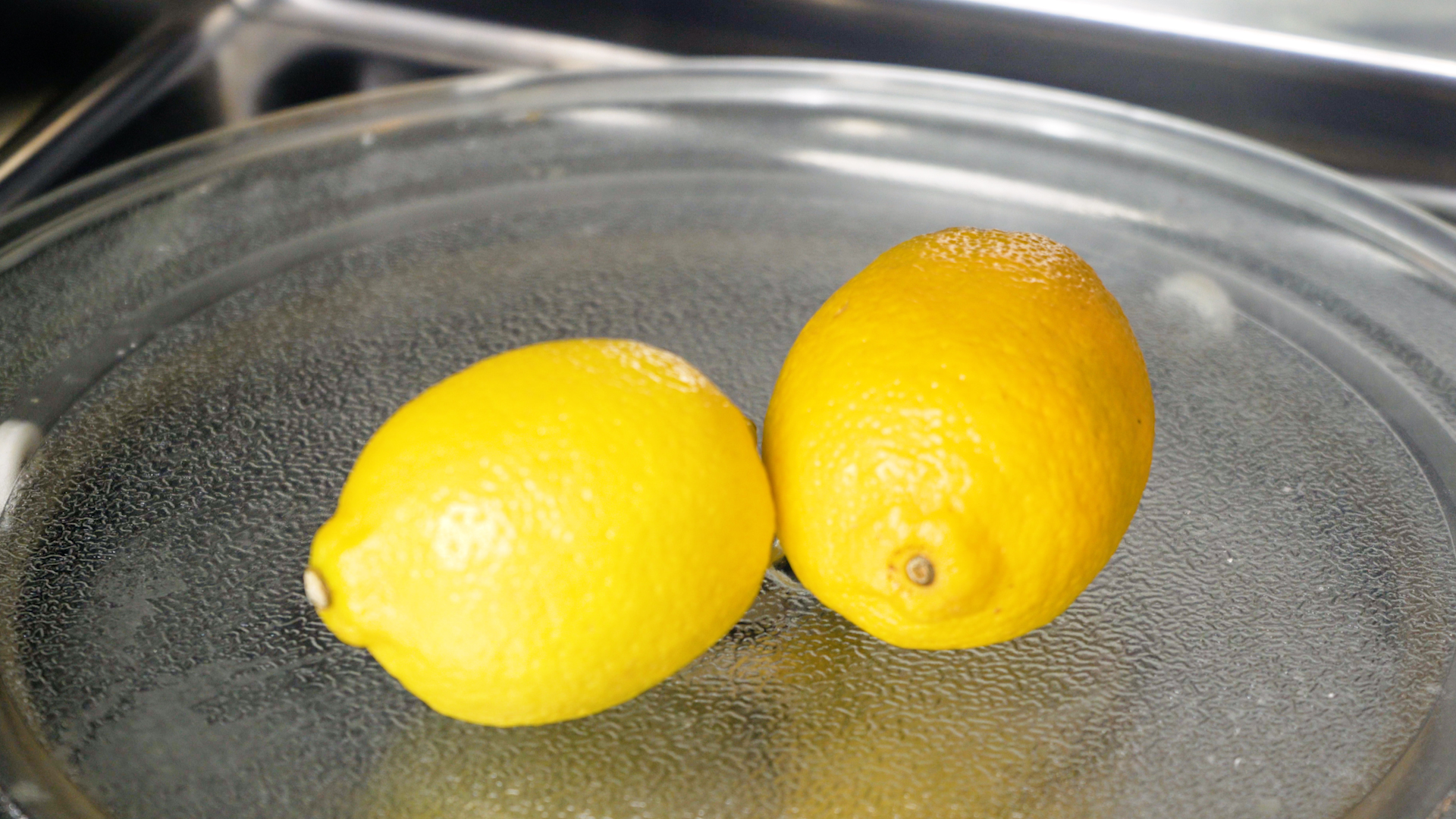
- The Microwave Warm-Up: A quick zap in the microwave can work wonders. Pop the whole lemon into the microwave for 20-30 seconds (for an average-sized lemon; adjust slightly for larger ones). The heat causes the membranes to expand and burst, much like rolling, but also warms the lemon, making it softer and much easier to squeeze. Be careful when handling immediately after, as it might be warm.
- The Freeze-and-Thaw Trick: While more of a long-term strategy, freezing whole lemons is an incredible way to maximize juice yield, especially for those stubborn, seemingly dry lemons. When a lemon is frozen, the water inside expands, naturally breaking down nearly all the internal membranes. Once thawed (which can take a few hours at room temperature or quicker in a bowl of warm water), the lemon will be remarkably soft and yield an astonishing amount of juice with minimal effort. This method is particularly useful for storing surplus lemons you plan to use for both zest and juice.
Implementing one or a combination of these "pre-squeeze" steps will dramatically improve the quantity of juice you extract, ensuring that every effort you put into learning how to juice a lemon pays off.
Mastering the Squeeze: Tools and Techniques for Optimal Yield
With your lemons perfectly prepped, it's time for the main event: juicing. While specialized tools can be helpful, you don't always need them. The goal is to apply pressure effectively to release the juice. To learn more about various methods, including those without a juicer, check out Get Every Drop: Juicing Lemons Without a Juicer (5 Methods).
- The Classic Hand Squeeze: After cutting your prepped lemon in half crosswise, simply squeeze each half firmly over a bowl or cup, rotating it slightly to press out juice from all angles. For extra leverage, you can press the cut side against the tines of a fork inserted into the flesh.
- The Reaming Method (Spoon or Fork): This technique is invaluable for getting those last stubborn drops. After an initial hand squeeze, insert the handle of a large spoon or the tines of a fork deep into the center of the lemon half. Twist and press the spoon/fork against the pulp and rind. This action effectively crushes any remaining juice sacs and separates them from the pith, allowing more juice to flow out. Follow up with one final hand squeeze.
- Manual Lemon Squeezers/Reamers: These are affordable and highly effective tools.
- Handheld Squeezers: Often hinged, these allow you to place a lemon half cut-side down into a cup, then press the handles together. They provide excellent leverage and filter out seeds.
- Conical Reamers: These typically have a ridged cone that you press and twist into the lemon half. Some come with a built-in reservoir for collecting juice. They are very efficient but don't always filter out seeds as effectively as handheld squeezers.
- Electric Citrus Juicers: For high-volume juicing, an electric juicer is a convenient option. Simply hold the lemon half against the spinning reamer. While very quick, sometimes they can incorporate more pith if you press too hard, which can impart a slight bitterness to the juice.
Regardless of your chosen method, remember to squeeze with purpose. A combination of good prep and a smart squeezing technique is key to mastering how to juice a lemon and achieving the maximum possible yield.
Beyond the Immediate Squeeze: Freezing & Storing Lemon Goodness
Congratulations, you've successfully juiced your lemons! But what about leftovers, or buying in bulk when lemons are on sale? Properly storing lemons, whether whole, sliced, or as juice, is an excellent way to extend their shelf life and reduce food waste. Freezing is your best friend here.
Freezing Whole Lemons:
As mentioned earlier, freezing whole lemons is not just a storage method but also a juicing hack. Simply place ripe, unwashed lemons into a freezer-safe bag or container and freeze. When you need one, thaw it (at room temperature or in warm water), and then proceed with juicing. The texture will be softer, and the juice yield will be higher. This method is fantastic if you want the option to zest the lemon before juicing later on.
Freezing Lemon Slices or Wedges:
If you frequently use lemon slices for garnishes, drinks, or infused water, freezing them is a brilliant time-saver.
- Wash and thoroughly dry the lemons.
- Slice them to your desired thickness.
- Arrange the slices in a single layer on a parchment-lined baking sheet.
- Freeze until solid (about 1-2 hours).
- Transfer the frozen slices to a freezer-safe bag or container.
You can then pull out individual slices as needed, adding a refreshing burst to your beverages without the hassle of cutting a fresh lemon every time.
Freezing Lemon Juice:
This is arguably the most convenient way to store your freshly extracted lemon juice.
- Strain the fresh lemon juice through a fine-mesh sieve to remove any pulp and seeds.
- Pour the strained juice into ice cube trays.
- Freeze until solid.
- Once frozen, pop the lemon juice cubes out and transfer them to a freezer-safe bag or container.
Each cube typically holds about 1-2 tablespoons of juice, making it incredibly easy to portion out exactly what you need for recipes, marinades, or dressings. Simply grab a cube or two, let it thaw, and you have fresh lemon juice at your fingertips. Frozen lemon juice can last for several months (up to a year) without losing its flavor potency.
Conclusion
From the careful selection of a ripe fruit to employing smart pre-squeeze tactics and efficient juicing methods, getting every last drop of juice from a lemon is an art form that any home cook can master. Understanding how to juice a lemon effectively not only saves money but also elevates your cooking with the unmatched freshness of citrus. Furthermore, by embracing clever storage solutions like freezing, you can ensure that the vibrant essence of lemon is always within reach, ready to brighten up your dishes, drinks, and desserts at a moment's notice. So go ahead, squeeze with confidence, and let the sunny flavor of fresh lemon inspire your culinary adventures!
